When the power goes out, the difference between a manual and an automatic transfer switch shows up in the dark. One is built for higher-capacity home backup with a weather-resistant outdoor enclosure; the other adds automatic changeover and a lower price. The decision boils down to whether you want more capacity or more automation.
Quick verdict
Choose the manual transfer switch if you want the higher amperage and a rugged, outdoor-ready design. Choose the automatic transfer switch if you want hands-free changeover and a much lower price for a smaller setup.
Comparison at a glance
| Feature | 100A Manual Transfer Switch | AC110V 2P 63A Automatic Transfer Switch |
|---|---|---|
| Price | USD 112.09 | USD 31.80 |
| Price bar | ||
| Operation | Manual transfer from utility to generator | Automatic dual-power transfer with toggle control |
| Capacity | 100 A, 120V/240V | 2P 63A, AC110V |
| Housing | NEMA 3R outdoor-rated | Compact mini design, blue housing |
| Best for | Larger home backup loads | Smaller circuits and automatic changeover |
Where each product wins
- The 100A Manual Transfer Switch wins when your backup needs are bigger. It is the stronger candidate for a substantial generator hookup.
- The automatic transfer switch wins on price and convenience. It handles the switch to standby power automatically and sits at the lower end of the USD 80.29 price gap.
- If you want to be the one in control during an outage, the manual model puts that decision in your hands. If you want the switch to handle it, the automatic model is the one to pick.
Product notes
100A Manual Transfer Switch for Home Backup Power, 120V/240V, NEMA 3R Outdoor
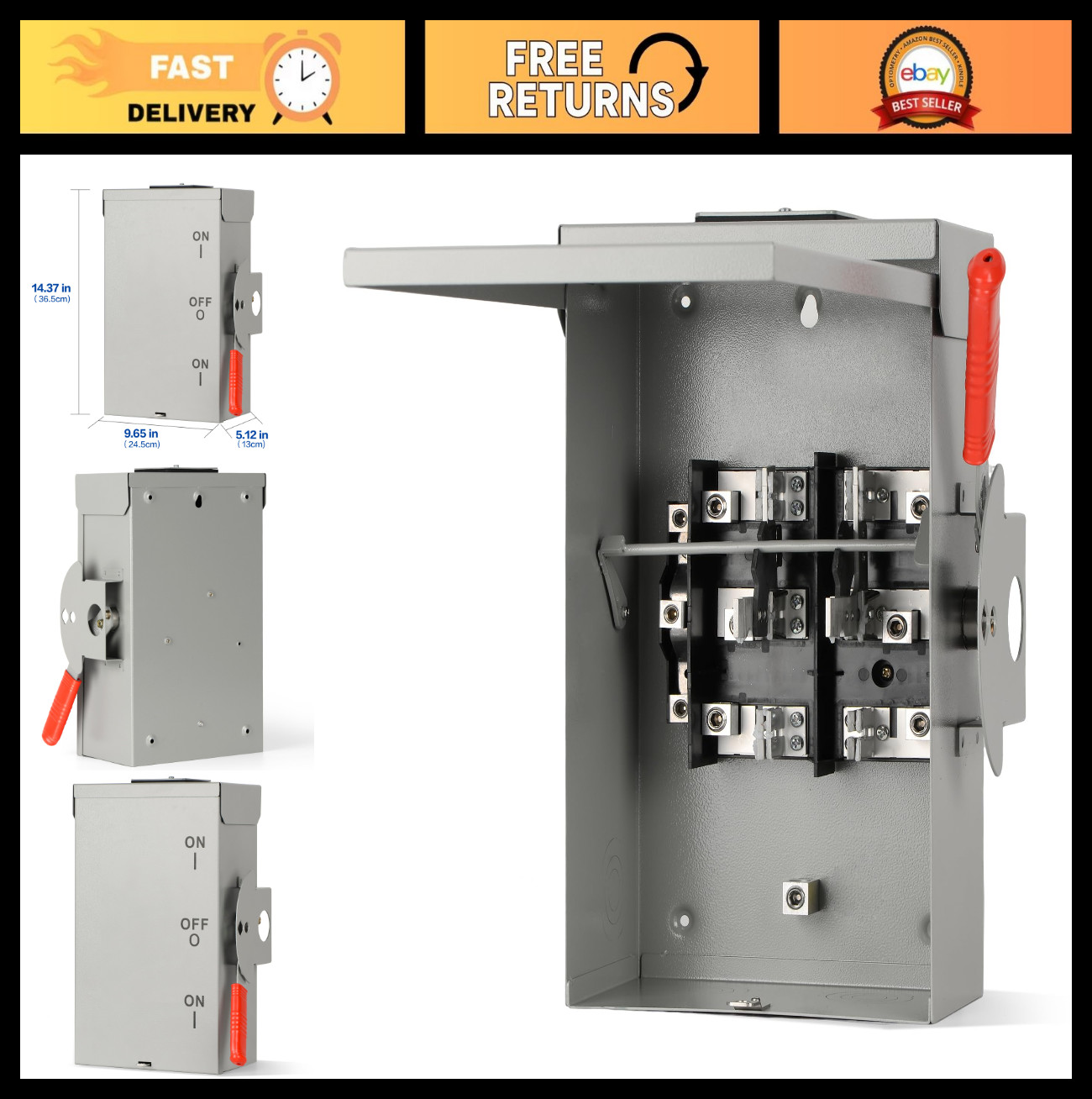
This is the heavier-duty pick. The 100-amp rating and 120/240-volt support make it a better match for home backup loads that go beyond a single appliance. The NEMA 3R outdoor-rated enclosure is a concrete advantage if your transfer switch needs to be mounted outside rather than in a protected indoor spot. The limitation is that it is manual. When utility power fails, someone has to physically operate the switch to move the load to generator power. That is straightforward, but it is not the hands-free experience the automatic model offers. At USD 112.09, it is also the pricier option, so you are paying for the higher capacity and rugged housing.
AC110V 2P 63A Mini Dual Power Automatic Transfer Switch Toggle Control Converts
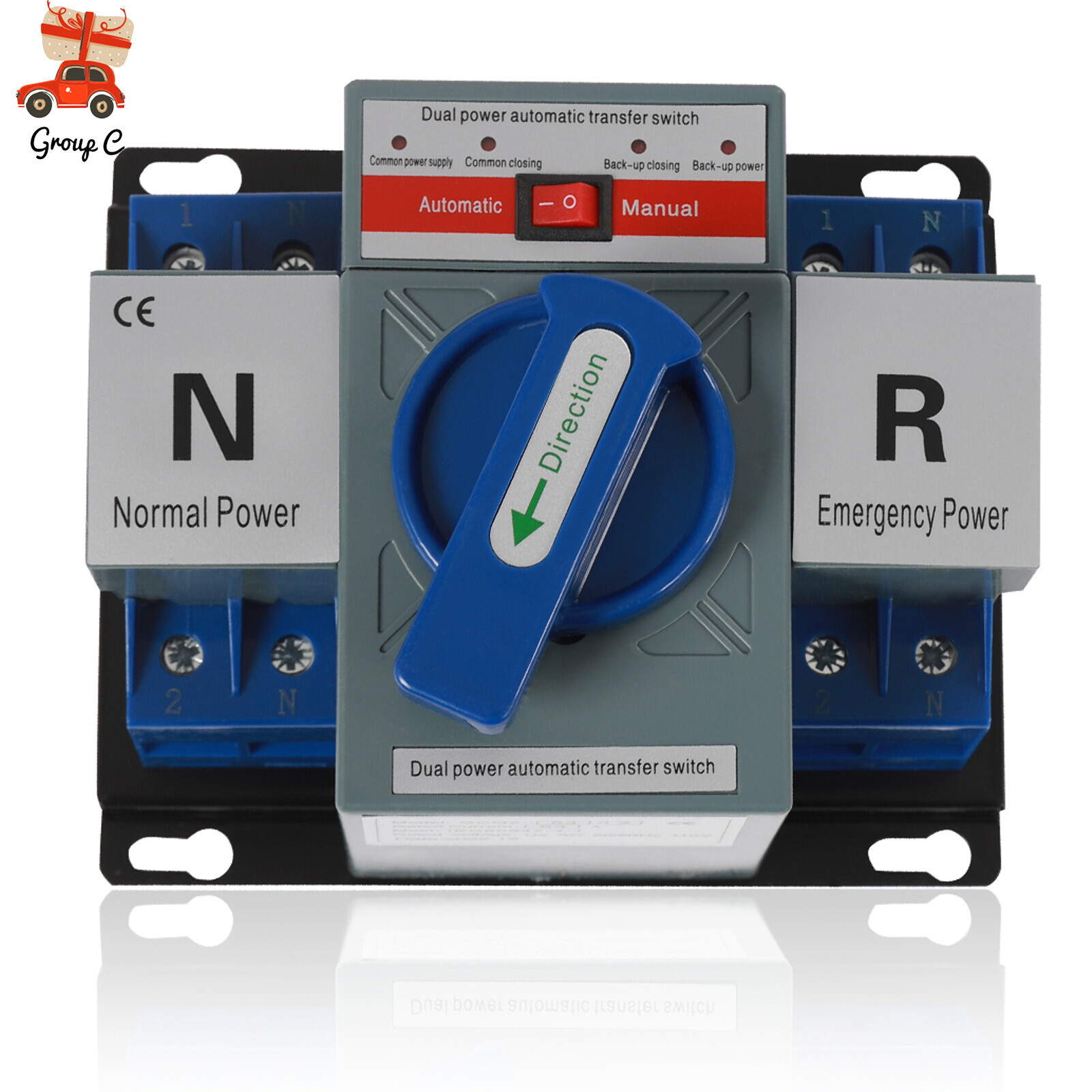
This is the low-maintenance, low-price option. The dual-power automatic transfer switch detects whether the normal power supply is healthy and moves the load to standby power when needed, which is the main reason to choose it. The plastic-and-red-copper build is intended for strong conductivity and durable service, and the toggle control keeps the operation simple. The obvious limitation is capacity: at AC110V and 2P 63A, this is a smaller switch for a smaller circuit, not a 120/240-volt whole-home solution. It also comes in a compact mini format, so it is best suited to a specific appliance or a modest backup setup. At USD 31.80, it is the lower-priced way to get automatic transfer, but you have to size your loads accordingly.
Final choice by use case
- For a larger portable generator hookup: Choose the manual model if you can live with a physical changeover. It is the more substantial option here.
- For hands-off operation on a smaller circuit: Choose the automatic model. It swaps to standby power on its own and costs less.
- If you want a middle path: neither product combines high capacity with automation, so pick whichever trade-off best matches your setup.