Automatic backup transfer switches solve the same problem in two very different ways. One is a manual connection between a portable generator and your home electrical system. The other is an intelligent switch that hands power over to a battery system in milliseconds. The decision comes down to whether you already own a generator or are planning a solar-ready home battery setup.
Quick verdict
For generator owners, the 100A transfer switch is the straightforward route: it creates a simple connection between a portable generator and the circuits you want to keep alive during an outage. For anyone building around the Jackery Explorer 5000 Plus battery system, the Jackery smart transfer switch turns that battery into an automatic backup source with fast, intelligent switching. Neither choice is wrong; they just fit different backup plans.
Comparison at a glance
| 100A Manual Transfer Switch | Jackery Smart Transfer Switch | |
|---|---|---|
| Listed price | USD 112.09 | USD 999.00 |
| Price bar | ||
| Switching | Manual | Automatic with 20ms UPS backup |
| Power source | Portable generator | Jackery Explorer 5000 Plus battery system |
| Control | Manual switching | Smart app control |
| Weather/outdoor | NEMA 3R Outdoor | Weather resistant |
Where each product wins
The 100A manual transfer switch wins if you already have a portable generator and want a lower-cost, hands-on way to power your house when the grid fails. You stay in control of the transfer and keep the system simple. The Jackery smart transfer switch wins if you are investing in a Jackery Explorer 5000 Plus and want automatic backup without running a generator. It removes the human step and pairs with solar energy, which makes it a good fit for a longer-term home battery plan.
Product notes
100A Manual Transfer Switch for Home Backup Power
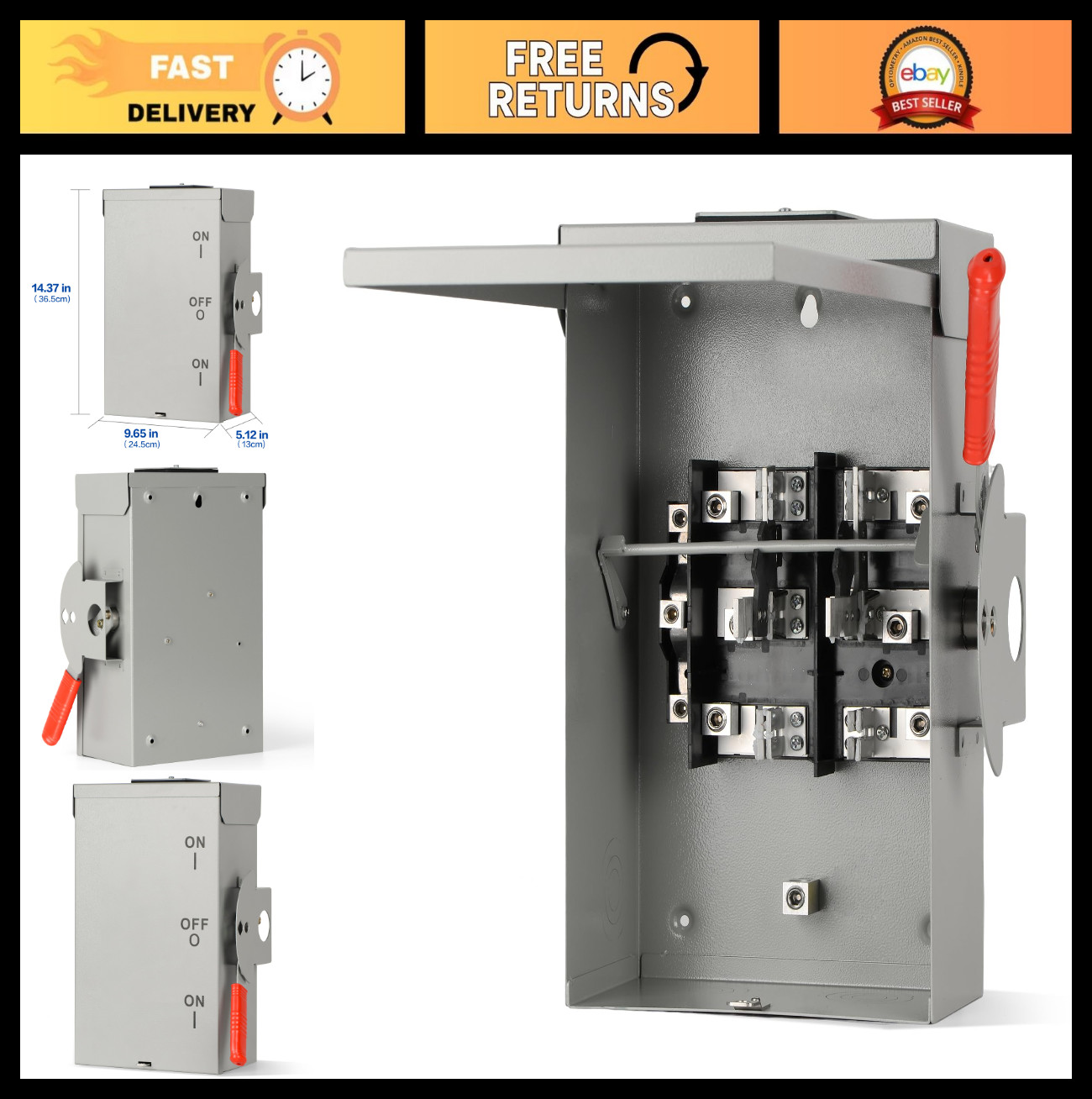
This switch is designed to transfer power from a portable generator to your home during outages. At USD 112.09, it is a much smaller investment than the smart switch, while still offering 100A capacity and 120V/240V support. The NEMA 3R outdoor rating makes sense for outdoor placement. Its limitation is the manual step: someone has to initiate the transfer when utility power drops, so it is not a hands-free solution. You also need to own and fuel a portable generator to make it useful. If that matches your backup style, this is the more straightforward route. It is a practical add-on for someone who wants backup power without buying a new battery system.
Jackery Explorer E5000 Plus Home Backup Power Emergency Smart Transfer Switch
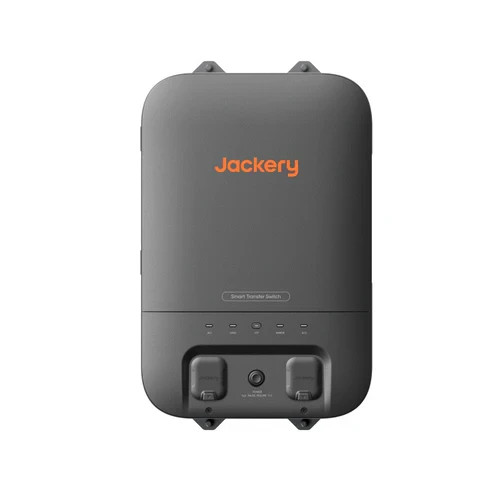
This is not a generic generator transfer switch; it is designed specifically for the Jackery 5000 Plus Series. At USD 999.00, it costs far more than the manual switch, but it adds automatic UPS backup within 20ms, smart app control, and the ability to route solar energy from panels or rooftop PV through the Jackery Explorer 5000 Plus. The payoff is a quieter, more automated backup experience: no need to switch circuits by hand. The catch is compatibility and cost. Compatibility is limited to the Jackery 5000 Plus family, so it only makes sense if you are already building that battery system or are willing to buy it. It is compact, maintenance-free, and easy to install, which fits a home backup system meant to run quietly in the background.
Final choice by use case
- Generator-based home backup: Choose the 100A Manual Transfer Switch for Home Backup Power, 120V/240V, NEMA 3R Outdoor.
- Seamless battery backup with solar-ready options: Choose the Jackery Explorer E5000 Plus Home Backup Power Emergency Smart Transfer Switch and pair it with a Jackery 5000 Plus.