Power outages always seem to happen at the worst time. You want to keep the lights on, the fridge cold, and maybe a heater running without dragging extension cords through the house. A manual transfer switch creates a safe bridge between a portable generator and your home's electrical panel. The decision comes down to how much generator capacity you have and how many high-demand loads you want to support. Here's how a 100A model and a 200A model compare.
Quick Verdict
Both are manual transfer switches with NEMA 3R ratings. The real difference is capacity: the 100A model is for essential loads, while the 200A model is built for high-demand appliances across the home. If your generator powers a modest set of circuits, the 100A Manual Transfer Switch keeps things simple. If you want room for larger loads, the 200A Manual Generator Transfer Switch is the stronger fit.
Comparison At A Glance
| Product | Listed Price | Key Spec | Relative Price |
|---|---|---|---|
| 100A Manual Transfer Switch | USD 112.09 | 100A, 120/240V | |
| 200A Manual Generator Transfer Switch | USD 243.95 | 200A/48000W, 120/240V |
Where Each Product Wins
- The 100A Manual Transfer Switch wins for simpler home backup power. It gives you a safe transfer point at a lower price, and its 100A rating is enough for a portable generator feeding a handful of essential circuits. You are not paying for capacity you will not use.
- The 200A Manual Generator Transfer Switch wins when capacity matters. It is rated for 200A, which matches the kind of whole-home high-demand loads that a 100A switch is not rated for. With 12 circuits and alloy steel construction, it is the more substantial unit.
Product Notes
100A Manual Transfer Switch
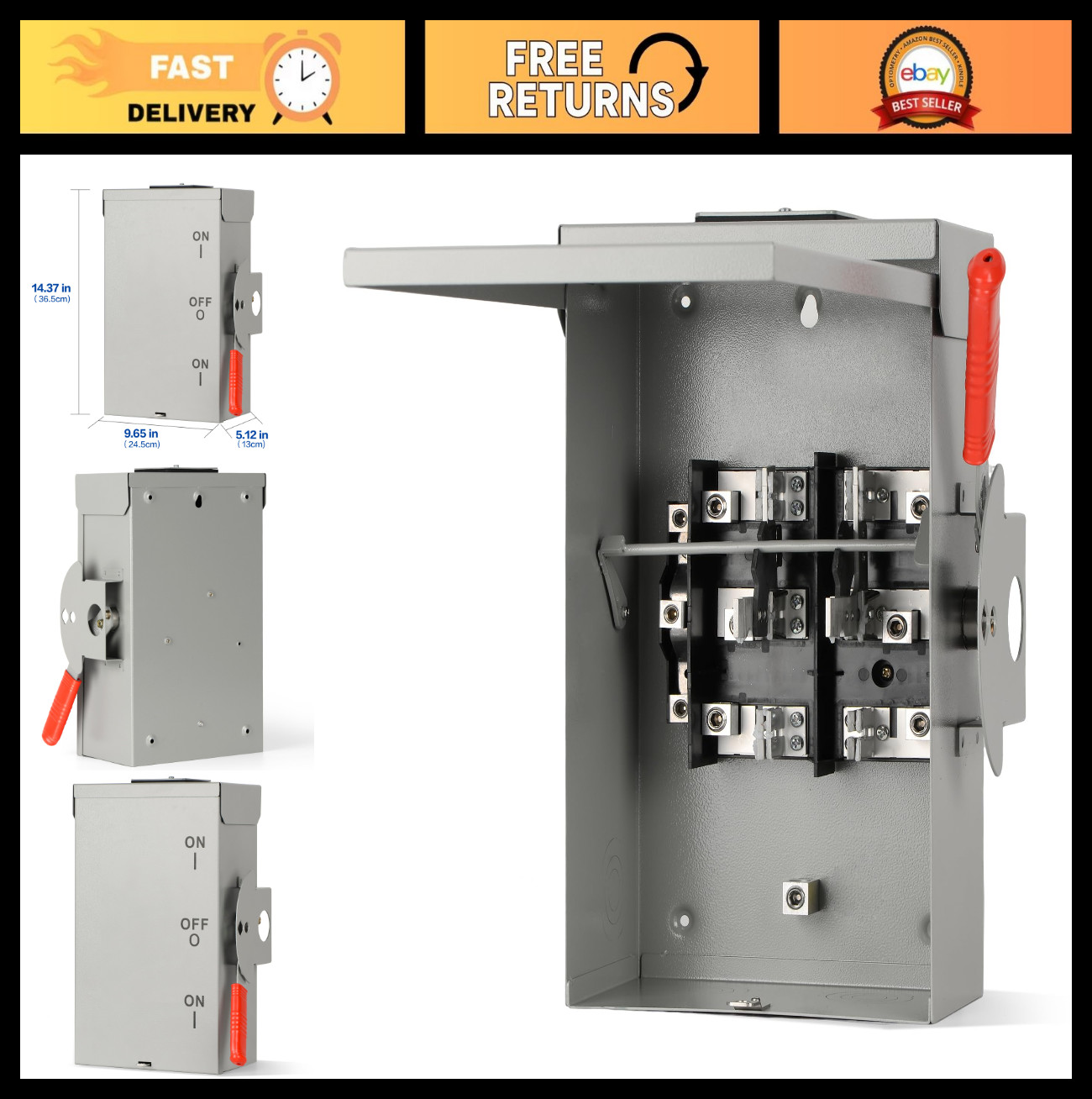
This switch brings a 100A transfer point to a home backup power setup. It is designed to safely transfer power from a portable generator to your home during outages, which is the central job of any transfer switch. It is a good match when your generator powers a small set of essential circuits. The main limit is the 100A amperage itself: it is the ceiling for how much generator output you can feed through the switch. If your essential circuits stay within that range, this is a lower-priced, straightforward choice. If you expect to grow your backup load later, that ceiling will feel tight. For a modest outage plan, that trade-off is easy to live with.
200 Amp Manual Generator Transfer Switch
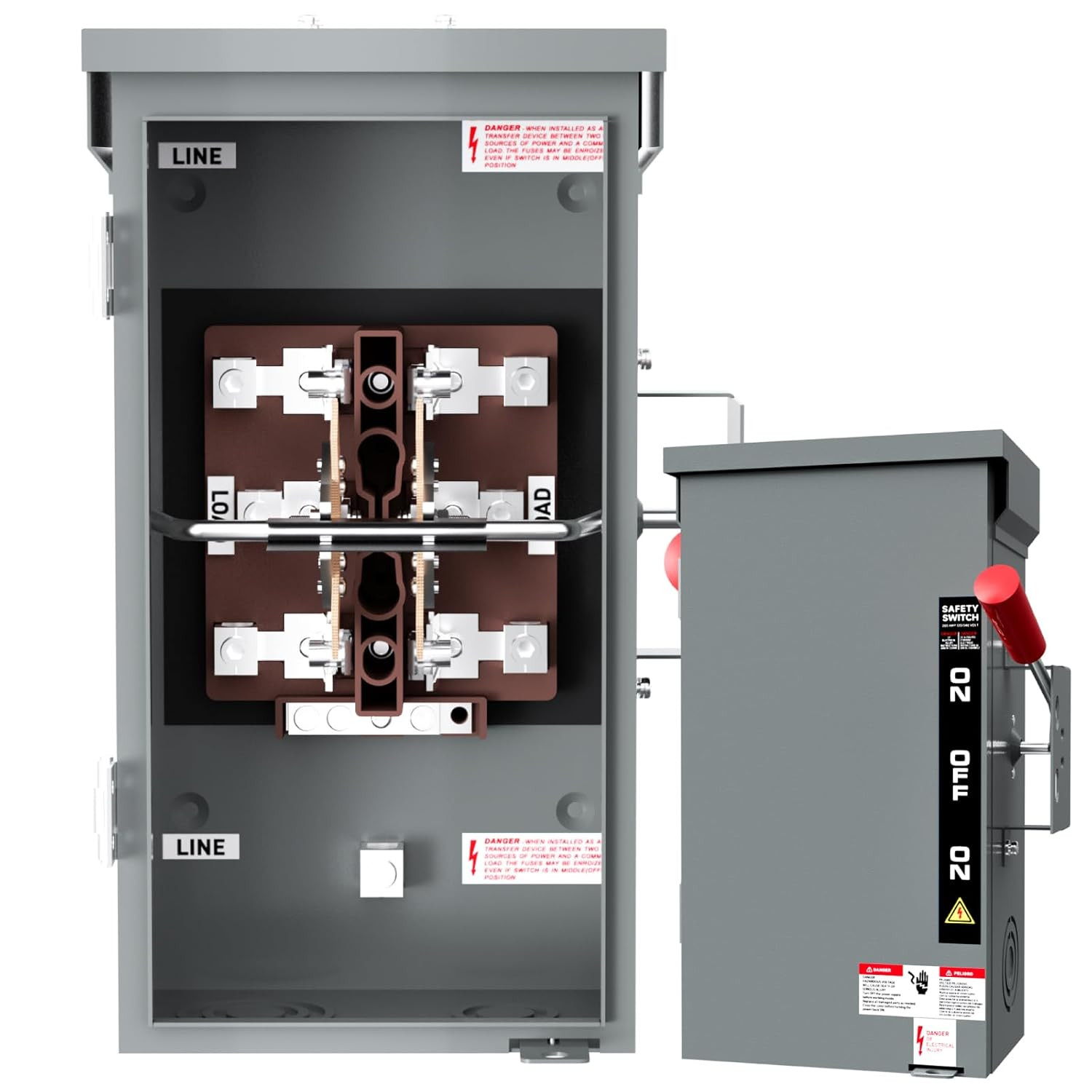
This is the capacity-first option. It is rated for 200A and 48000W, which is enough to handle high-demand appliances across a home. The alloy steel construction and 12-circuit specification align with that larger load picture. The limitation is the price: at $243.95, it is the higher-cost choice, and the extra capacity only helps if your generator can supply that much power. With a smaller generator, you are paying for headroom you will not use. If your whole-home load is substantial, though, that headroom is exactly what makes this switch worth a closer look. It is a step up in both rating and construction, designed for the home backup setup that expects to feed more than a handful of circuits.
Final Choice by Use Case
Choose the 100A Manual Transfer Switch when your generator is the starting point and your loads are the everyday essentials in an outage. Choose the 200 Amp Manual Generator Transfer Switch when you want the headroom to run high-demand appliances across the house and you have a generator to match.