Choosing ev charging equipment for your home often comes down to one question: plug-in portable or permanent hardwired? These two Level 2 options sit on opposite sides. The plug-in 240V model with a 14-50 plug is listed at $37.45, while the hardwired home unit is $124.95. A $87.50 gap separates them, so it is worth knowing what that extra money buys.
Quick verdict
If you want to keep the upfront cost low and prefer a plug-in setup, the Hiwildoo plug-in EVSE is the pick. If you are setting up a fixed home station and want more charging muscle, the TCHARGE hardwire is worth the higher price, provided you are okay with an open-box unit.
Where they differ
| Decision point | Hiwildoo 32A plug-in | TCHARGE 50A hardwired |
|---|---|---|
| Listed price | $37.45 | $124.95 |
| Current rating | 32A | 50A |
| Hookup | NEMA 14-50 plug | Hardwired |
| Standout details | 25 ft J1772 cable, IP66, emergency stop, Tesla adapter | UL Listed, FCC, Energy Star |
Where each wins
Where the plug-in wins: It costs much less, needs no hardwiring if you already have the right outlet, and can be moved or stored when you need flexibility.
Where the hardwired wins: It delivers higher current, stays permanently installed, and comes with UL, FCC, and Energy Star credentials for a fixed setup.
Product notes
Hiwildoo 240V Level 2 EV Charger 32A Outdoor EVSE
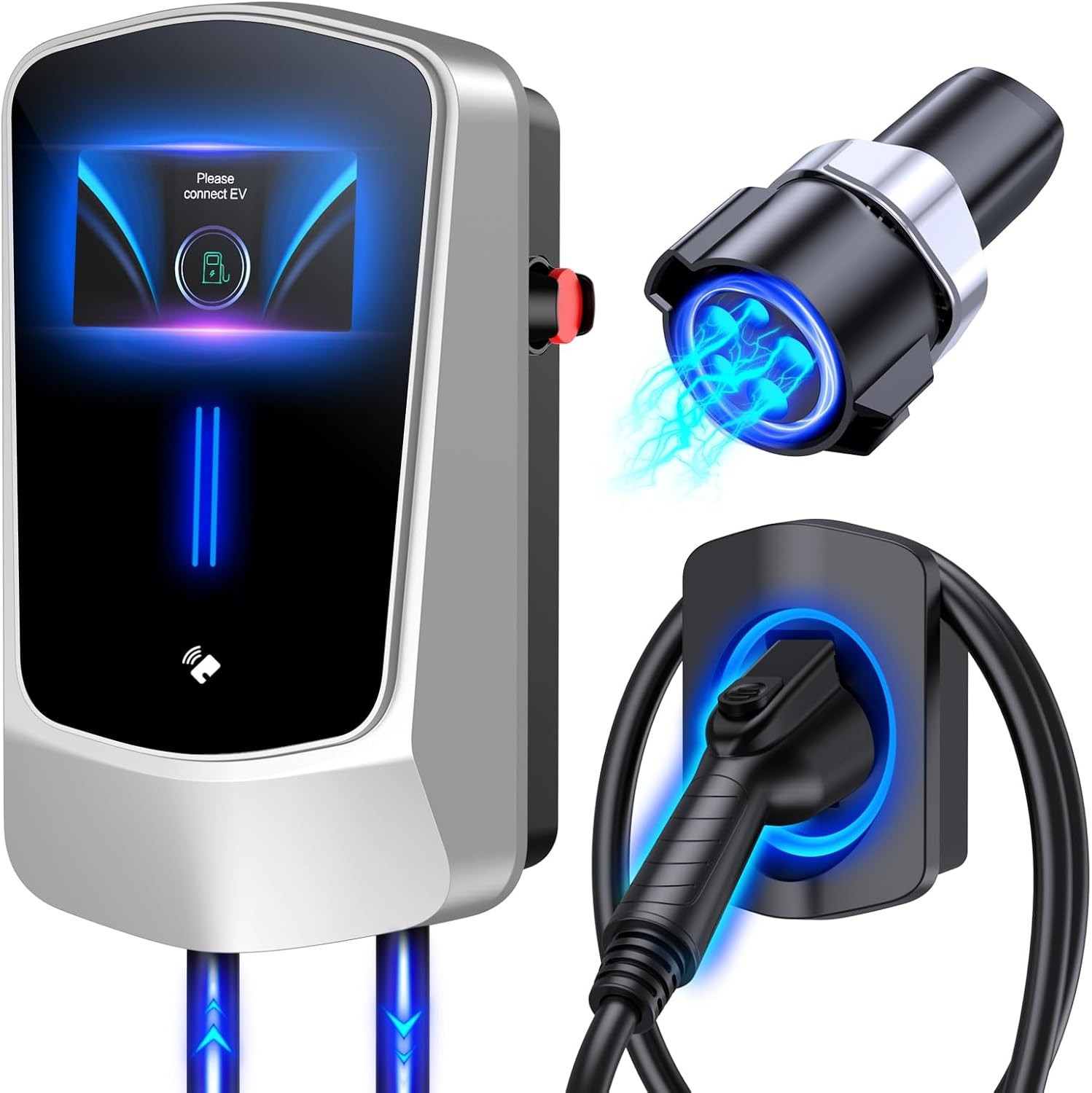
The Hiwildoo is the plug-in option in this pairing, ready to use if you already have a compatible outlet. It can add about 22 to 24 miles of range per hour, and the 25-foot J1772 cable gives you flexible placement. With an IP66 rating, it is comfortable living outdoors, and the emergency stop switch is a good safety touch. The included J1772-to-Tesla adapter lets it serve Model 3/S/X/Y. The main limitation is that it provides a lower current than the hardwired alternative and depends on that compatible outlet; if your home lacks one, you will need to install it before you can charge. It is the low-cost entry path for anyone who wants to plug in and go.
TCHARGE Level 2 50 Amp Home Hardwire
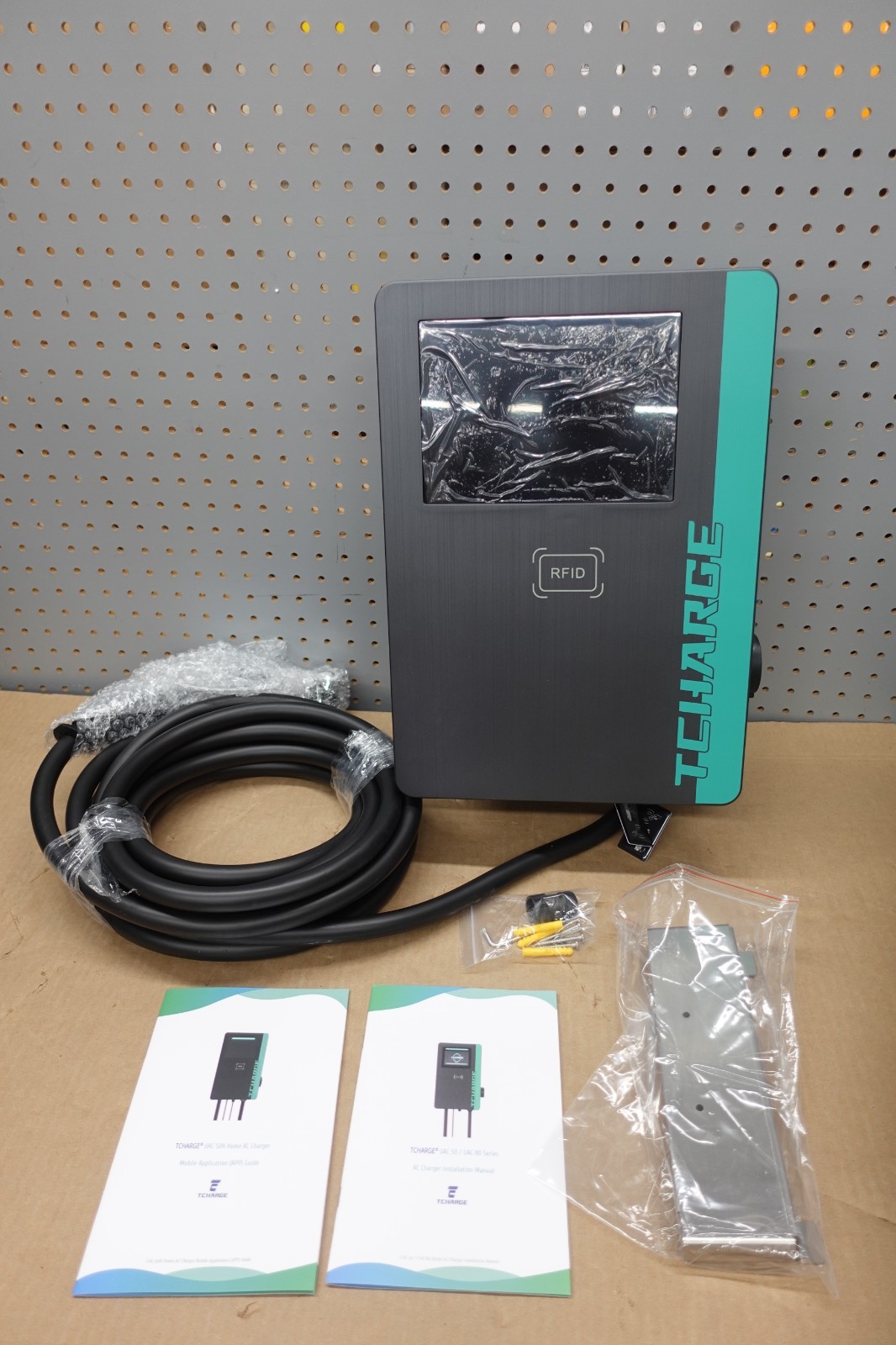
The TCHARGE is the hardwired, higher-capacity side of this matchup. It is wired directly into your home electrical system rather than plugged into the wall, so it is meant to stay put. It comes with UL Listed, FCC, and Energy Star marks, which matters for a permanent installation. It is new open-box, so give it a once-over when it arrives. The higher capacity means faster replenishment than the plug-in, and a permanent install keeps the unit always in place. The trade-off is that hardwiring takes planning, and you lose the ability to unplug the unit and take it with you. If you are ready for a permanent install, this is the one.
Final choice by use case
Go with the Hiwildoo plug-in if you already have a compatible outlet and value the ability to unplug the charger. Go with the TCHARGE hardwired if you are planning a permanent charging station and want the faster replenishment of a higher-current unit. Both are Level 2 chargers, but they solve different problems. Match the unit to your home wiring and your tolerance for installation work.