For anyone piecing together a small wind or micro hydro project, the first choice is scale. Do you need a single turbine that can charge a battery bank, or a small kit that shows how a generator and solar cell work together? This head-to-head puts the Renewable Energy Wind Turbine Generator Kit with Electrical Components next to a vertical wind turbine that targets home and farm use. One is a compact, low-voltage parts kit; the other is a much larger power-oriented machine. The decision shapes everything else about your build.
Quick verdict
If your goal is real charging output for a home, garden, or small farm project, the high-output turbine is the one to start with. It is the higher-output, self-contained option in this pair, with charging hardware that pairs with a battery system. If your goal is a cheap, hands-on experiment-testing blade spin, motor output, or basic wiring-the Renewable Energy Wind Turbine Generator Kit is the easier entry point. Their listed prices run from USD 14.04 to USD 145.59, and that price spread tracks with a big difference in scale and intended job.
Comparison at a glance
| Product | Listed price | Ideal for |
|---|---|---|
| 400W Vertical Wind Turbine Small Windmill Free Energy 12V 24V Household Farm | USD 145.59 | Home, garden, and farm battery charging |
| Renewable Energy Wind Turbine Generator Kit with Electrical Components | USD 14.04 | Low-cost wind and solar learning projects |
Where the higher-output turbine wins
The higher-output turbine is the stronger choice when the project demands meaningful power output. It is listed for 12V and 24V use, so it fits common battery voltages for home, garden, and farm setups. It also carries MPPT charging, which makes it ready to pair with a charge controller. If you want one wind unit with a clear voltage range instead of a kit you have to assemble from loose parts, this option moves the project forward.
Where the small generator kit wins
This kit fills a very different job. It includes a solar panel, a generator, and a three-leaf paddle in one package, so you can start experimenting immediately. The generator is low voltage-around 6-9V at 200-6000rpm-which makes it easy to use on a workbench, in a classroom, or in a small DIY electronics project. If you want to understand how wind and small generators behave before committing to a larger turbine, this is the more practical place to begin.
Product notes
400W Vertical Wind Turbine Small Windmill Free Energy 12V 24V Household Farm
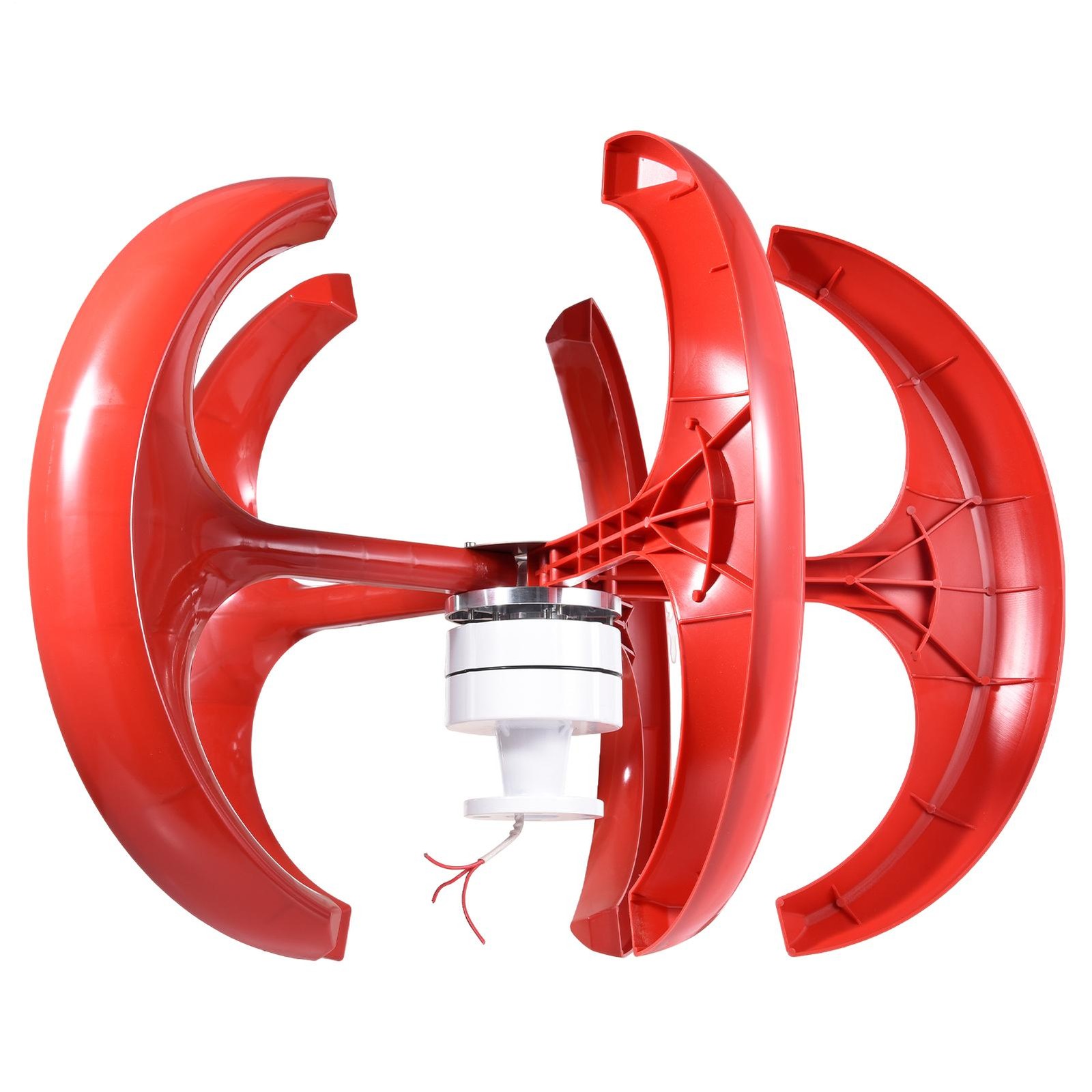
This red turbine is the high-output side of the comparison. MPPT charging is included, which makes it more complete for battery charging than a bare motor kit would be. The listed 90 cm item length gives you a sense of scale: this is a compact unit, not a large free-standing windmill. On the limitation side, the red finish means it will stand out wherever it is mounted. If you prefer equipment that blends into its surroundings, that is a factor to keep in mind. If rated output and voltage support are the priorities, this turbine answers that need directly.
Renewable Energy Wind Turbine Generator Kit with Electrical Components
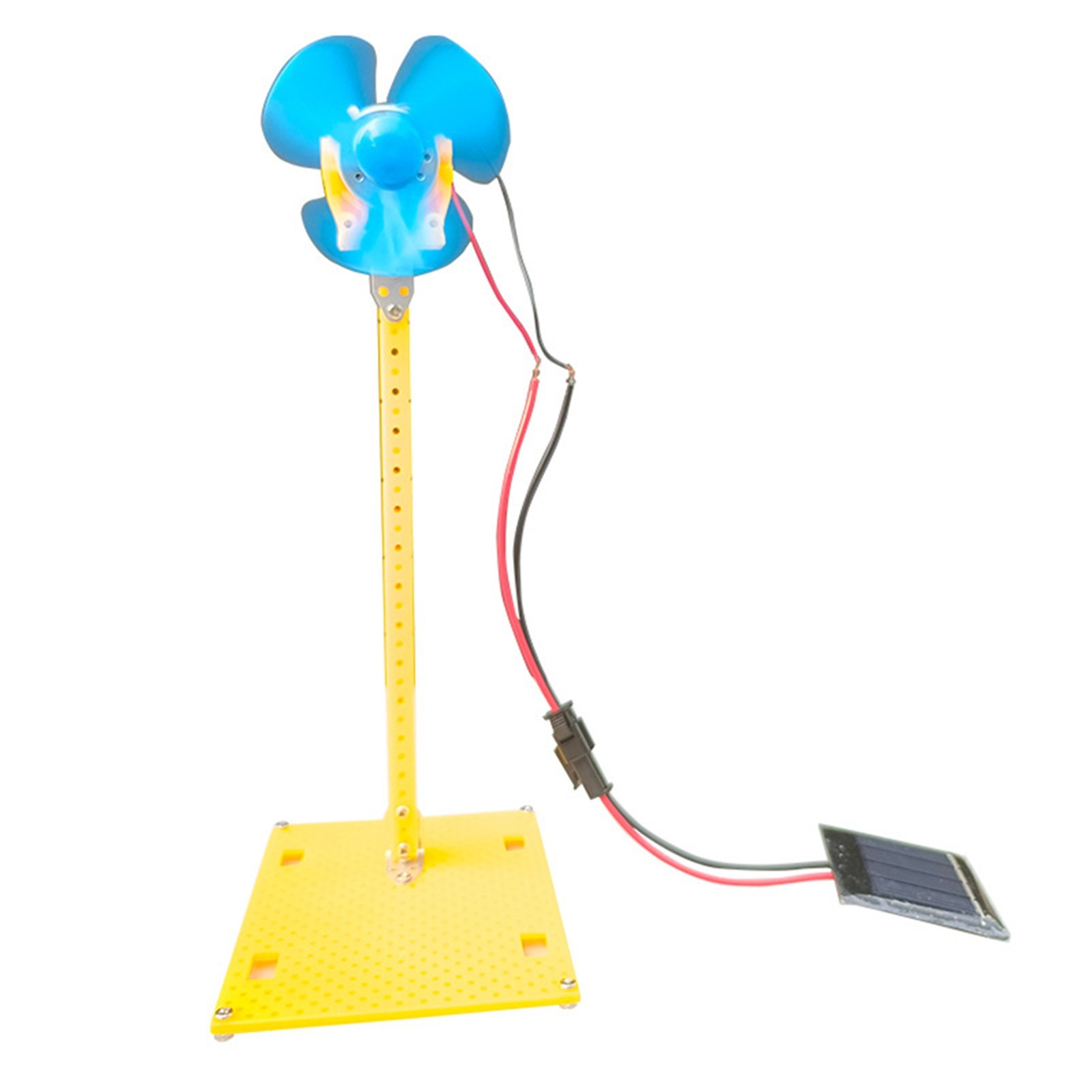
This kit is the low-cost, low-voltage alternative. The package includes one solar panel, one generator, and one three-leaf paddle, so you can test a small wind circuit right away. The generator itself is a miniature unit: about 25mm in diameter, 31mm long, with a 2mm shaft and a 60mm paddle. Those numbers are the main limitation. This is a demonstration-scale setup, not a household power source. It runs around 6-9V at 200-6000rpm, so it needs to be paired with a small load or controller. For teaching, prototyping, or a tinkering project, this kit gives you all the basic pieces.
Final choice by use case
Choose the home-and-farm wind turbine when the endpoint is a working battery-charging system for a home, garden, or farm, and you want a self-contained turbine rather than a parts bag. Choose the Renewable Energy Wind Turbine Generator Kit when the goal is a small, inexpensive learning project focused on generator spin, blade testing, or basic wiring. Both are useful; the right one depends on whether you are building for output or for understanding.