When the main power fails, an automatic transfer switch decides whether your generator or backup inverter kicks in without you touching anything. When the grid drops, this component is what tells your backup source to take over. The two automatic backup transfer switches here-the Elecbee 63A Automatic Transfer Switch and the Double Power Switch-take different routes to the same result. One emphasizes adjustability and flexible priority; the other spells out a clear transfer time and a straightforward install. That distinction will drive your choice.
Quick Verdict
If you want to fine-tune which power source gets priority, the Elecbee is the stronger match. If you prefer a clearly stated transfer time and a more direct fixed install, the Double Power Switch is the more direct pick. The two units share the same automatic function, so your decision is less about function and more about configuration.
At a Glance
| Product | Price | Key specs | Mounting |
|---|---|---|---|
| Elecbee 63A Automatic Transfer Switch | USD 29.99 | 63A, 110V/220V, L1/L2 priority, adjustable delays | DIN rail |
| Double Power Switch | USD 43.96 | 63A, 110V AC, about 2s conversion, 50/60Hz | Screw |
Where Each Product Wins
The Elecbee wins for people who want control. It lets you set overcurrent value, startup delay, transfer delay, and choose which line gets priority. The PA6 housing carries a V-0 flame retardant rating, and the adjustable delays make it flexible for different loads. It is also the lower-priced option of the two.
The Double Power Switch wins for people who want a specified transfer behavior. Its fixed-enclosure-friendly construction makes it a direct choice for many panel setups, and its clear specifications make it easy to confirm the switch will do what you need.
Product Notes
Elecbee 63A Automatic Transfer Switch
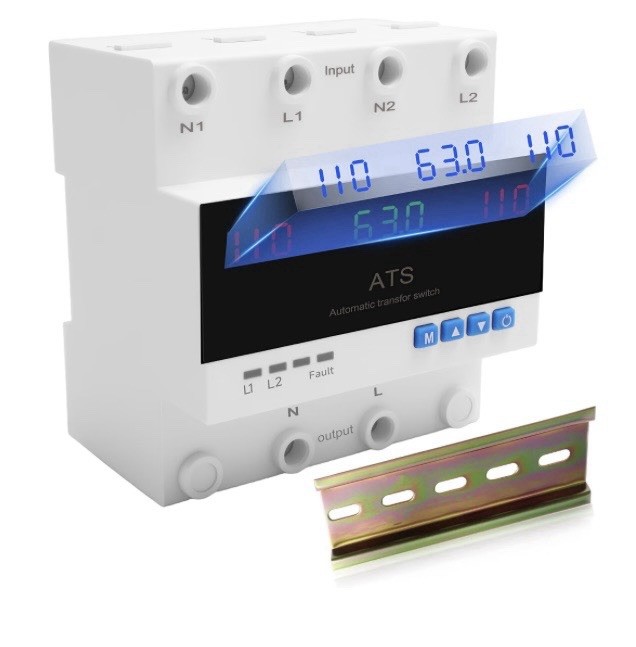
The Elecbee is the lower-priced option at USD 29.99. Its standout feature is adjustability: you can change the priority between L1 and L2, set overcurrent values, and adjust startup and transfer delays. That makes it more flexible for a generator or backup inverter setup where you need to favor a specific source. The 110V/220V compatibility and the included guide rail mounting approach keep the installation neat on a compatible rail. For a generator shed or utility room, this makes for a neater wiring plan. The main limitation is the condition: it is in New - Open box condition, so you should inspect the unit when it arrives. If you are comfortable with that, it is a strong option with a robust set of adjustments.
Double Power Automatic Transfer Switch
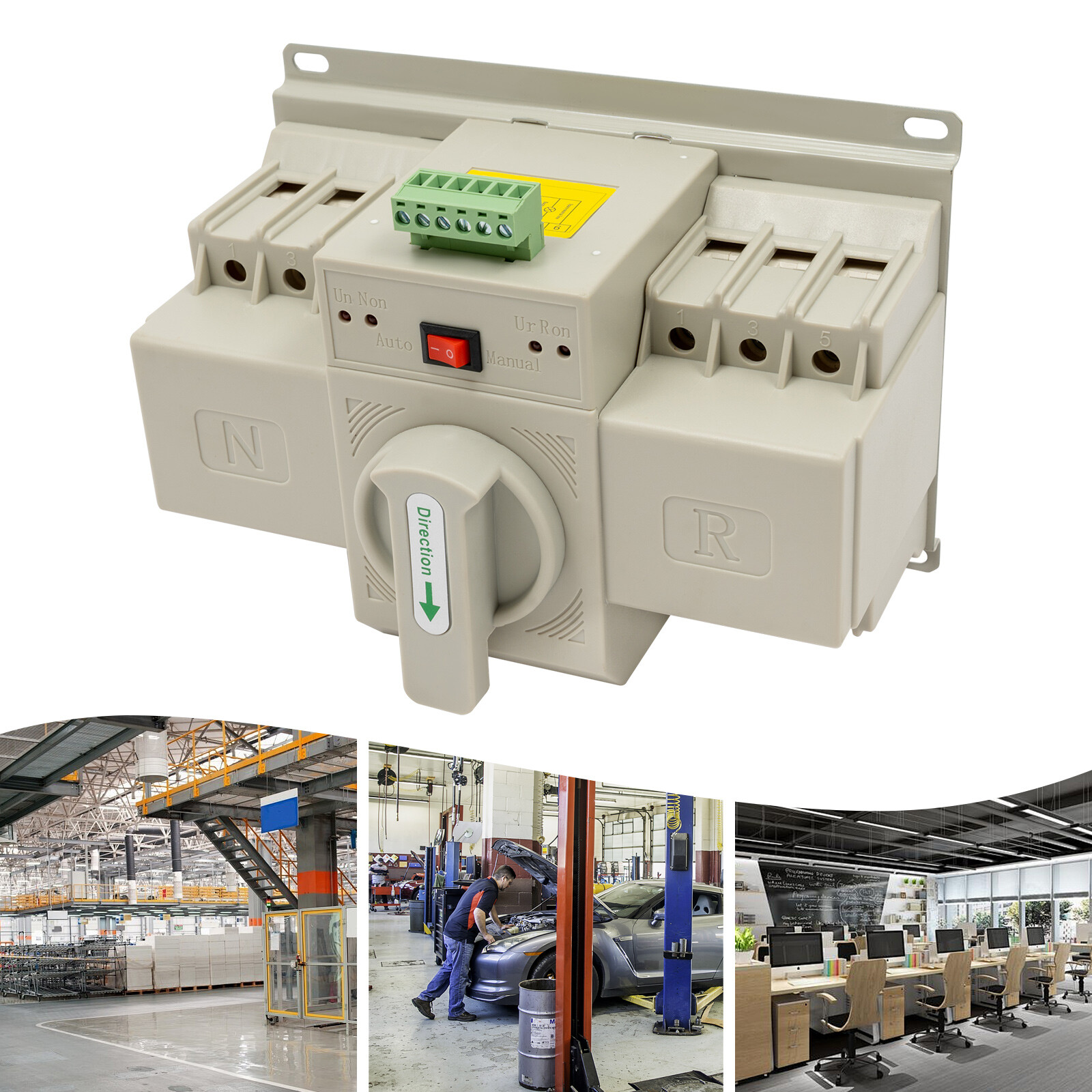
At USD 43.96, the Double Power Switch is the more expensive option, but its specifications are clear. The about 2-second conversion time is stated upfront, along with a 50/60Hz frequency range. It also carries a 63A working current at 110V AC and an insulation voltage of 690V. The plastic and red copper construction is common in fixed-power equipment, and the switch is suited to homes, high-rise buildings, shopping malls, factories, and fire-protection areas. If you are mounting to a fixed wall or enclosed panel, the design is straightforward. The obvious limitation is price: it costs USD 13.97 more than the Elecbee.
Final Choice by Use Case
Go with the Elecbee 63A Automatic Transfer Switch if you want adjustable priority and a DIN-rail-friendly setup, and you don't mind an open-box unit. Go with the Double Power Switch if you want a switch with a specified conversion time and you're working with a panel that accepts direct mounting. Both handle the same automatic backup job; the right one depends on your mounting setup and how much adjustability you want.