Quick verdict
Are you buying EV charging equipment because your car won't take a charge at home, or because the cable you already have is cluttering the space? The Wall EV Charger Holder solves the cable-clutter problem. The TCHARGE charger solves the no-charge problem. If you don't own a charger yet, the holder leaves you with an empty box. If you already charge, the TCHARGE may be redundant while the holder can make the setup cleaner. These two items are not true rivals in the sense of two chargers fighting for your garage wall. One supplies power; the other keeps that power cord safe. Your decision starts with which job is actually unfinished.
At a glance comparison
| Product | What it does | Listed price | Price position |
|---|---|---|---|
| Wall EV Charger Holder Protective Charging Cable Organizer Charger Station Box | Wall-mounted box for storing and protecting an EV charging cable/connector | USD 109.60 | |
| TCHARGE Level 2 EV Charger 50 Amp Home Hardwire, UL Listed & FCC & Energy Star | 50-amp hardwired home Level 2 charger | USD 124.95 |
Where each product wins
If your only complaint is the cable on the floor or the connector dangling in the weather, the Wall EV Charger Holder is the one that wins. It protects the cable and connector from rain, snow, storms, and heat. If your car is not charging at home, the TCHARGE wins because it is the actual charging hardware. The organizer cannot feed current to an EV, no matter how tidy it makes the space. When you have a working charger but messy cables, buy organization. When you don't have a working charger, buy the charger.
Read the product names carefully. The TCHARGE title leads with Level 2, 50 Amp, Home Hardwire, and certifications because its entire job is delivering charge. The holder is about protection and organization. That difference should guide your decision more than the price gap.
Product notes
Wall EV Charger Holder Protective Charging Cable Organizer Charger Station Box
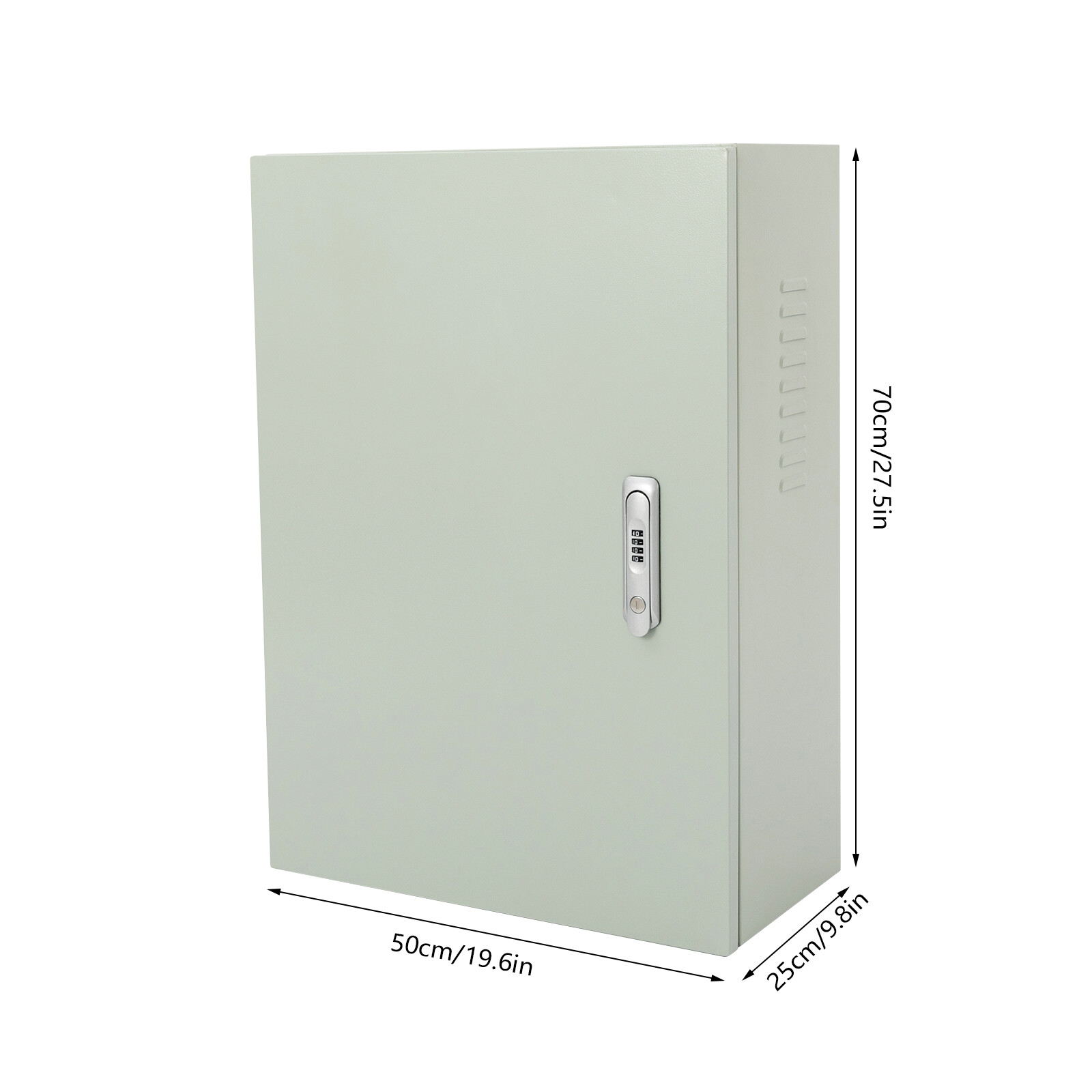
This holder is a practical add-on when the charger already works and the cable needs a home. It is wall-mounted, and the design includes combination locks and high-strength hinges, so the door is more secure and less likely to be damaged by crushing. The housing is meant to stand up to rain, snow, storms, and heat, which helps if your charging setup is exposed to the elements. At 22 pounds, it is a solid fixture rather than a flimsy hook. The limitation is that it stores equipment; it does not convert household power into a charging session. If you don't own a charger, this is just an empty box.
TCHARGE Level 2 EV Charger 50 Amp Home Hardwire, UL Listed & FCC & Energy Star
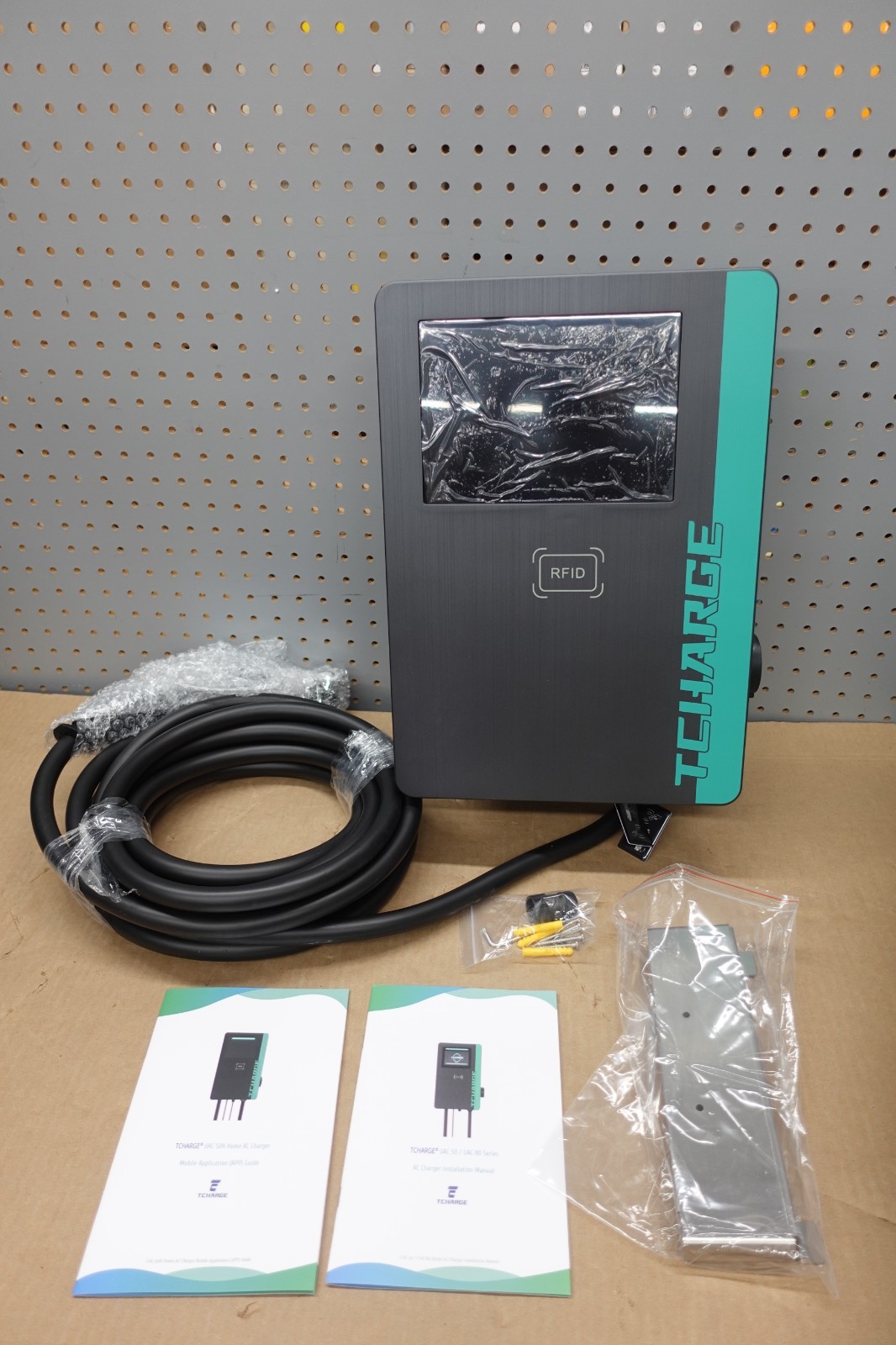
A new open-box TCHARGE charger is the purchase to make when the job is moving energy, not organizing cables. The title lists UL Listed, FCC, and Energy Star, which is meaningful for a home charger. This is the hardwired route, so it is meant to be installed as part of the electrical setup rather than plugged into a standard outlet. The practical drawback is the open-box condition: the unit may be complete, but it deserves a close inspection before installation. And because it is not a portable plug-in cable, you need a location wired for a hardwired charger. For a driver ready to commit to a home charging station, this is the product that actually completes the task.
Final choice by use case
Buy the TCHARGE charger when you are starting from scratch or replacing a charger that no longer meets your needs. It is the only one of the two that puts electricity into the car. Buy the Wall EV Charger Holder when you already have a charger and the cable or connector has become a clutter or trip hazard. It turns a loose cable into a closed solution without changing how your vehicle charges.