When you need to run equipment, the first question isn't about branding. It's whether your power source is low-voltage battery power or an industrial AC feed, what voltage it operates at, and how much power your load truly draws. These two converters solve opposite halves of that problem: one takes a low-voltage battery source and produces clean AC for everyday devices; the other steps down an industrial AC feed for larger machinery. Whichever side you're on, one of them will match your setup-but choosing wrong wastes time and money.
Quick Verdict
If you're pulling power from a vehicle, camper, or off-grid bank and need to charge laptops, run lights, or power small electronics, the inverter is the straightforward choice. If you have an existing industrial AC feed that needs a lower voltage for compatible equipment, the step-down transformer handles that scale.
Comparison
| Spec | 500W Pure Sine Wave Inverter | 30kVA Step-Down Transformer |
|---|---|---|
| Price | USD 70.39 | USD 950.00 |
| Input | 12V DC | 480V AC three-phase |
| Output | 110V/120V AC | 208V AC three-phase |
| Capacity | 500W RMS | 30kVA |
| Best for | Mobile and off-grid setups | Industrial step-down applications |
Where Each Product Wins
- The inverter is the only unit here that converts battery power into AC, which is essential if your power source is a battery.
- The transformer is the only unit that changes an AC voltage level, which matters when your equipment requires a lower feed than your building supplies.
- Pure sine wave output gives the inverter an edge for sensitive electronics that can suffer from distorted waveforms.
- Built-in ventilation makes the transformer well suited to continuous industrial operation.
Product Notes
Pure Sine Wave Inverter
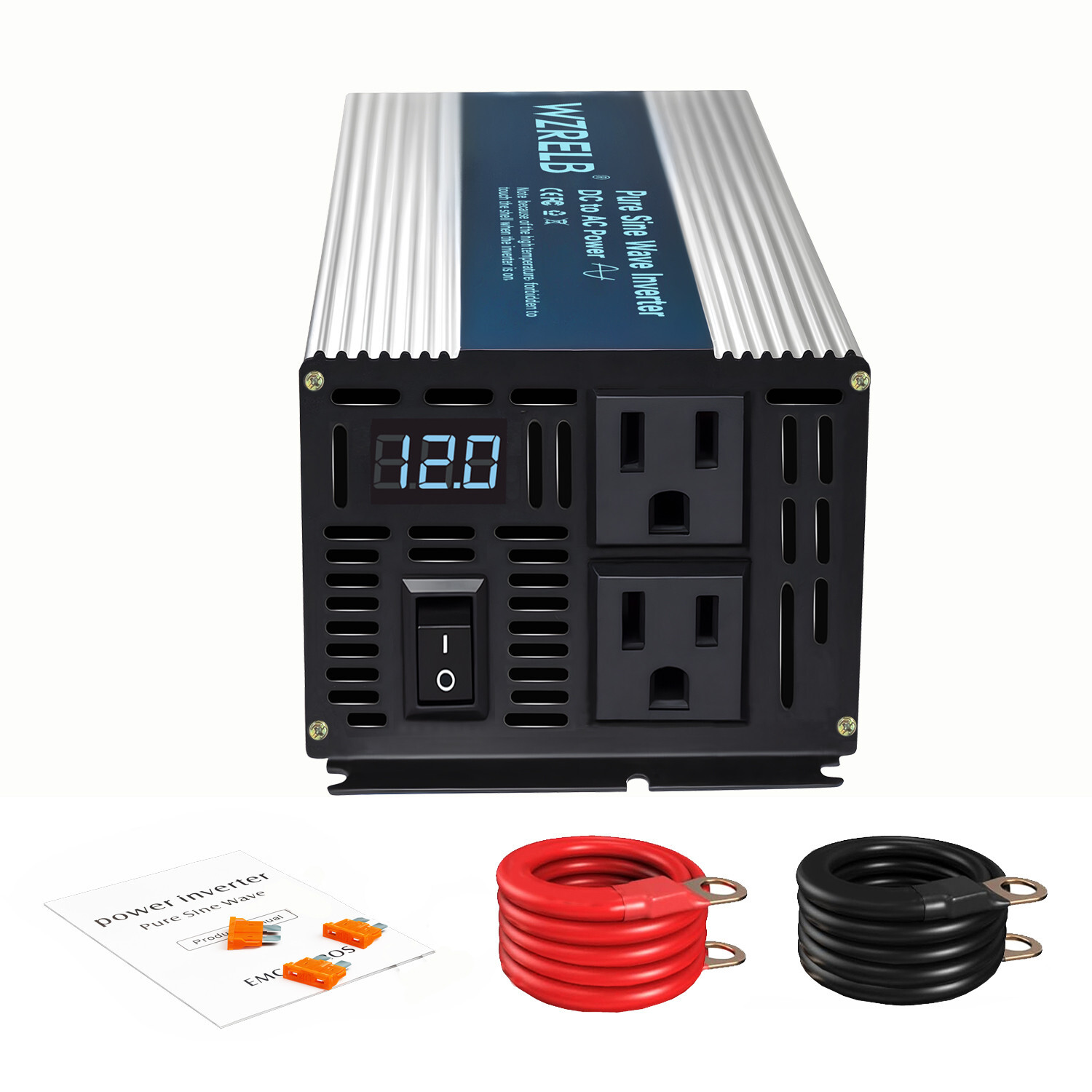
If your power originates from a 12V DC battery, this inverter turns it into 110V/120V AC that small devices can actually plug into. The pure sine wave output keeps electrical interference low, which is a real plus for laptops, audio gear, and other finicky electronics. An LED display shows voltage changes while you're running multiple loads, and protections cover high voltage, low voltage, overheating, reverse polarity, and short circuits. At $70.39, it's a relatively small investment for mobile and backup power. The limitation is its 500W RMS ceiling-every device combined must stay below that, so large appliances and high-draw tools won't fit.
Step-Down Transformer
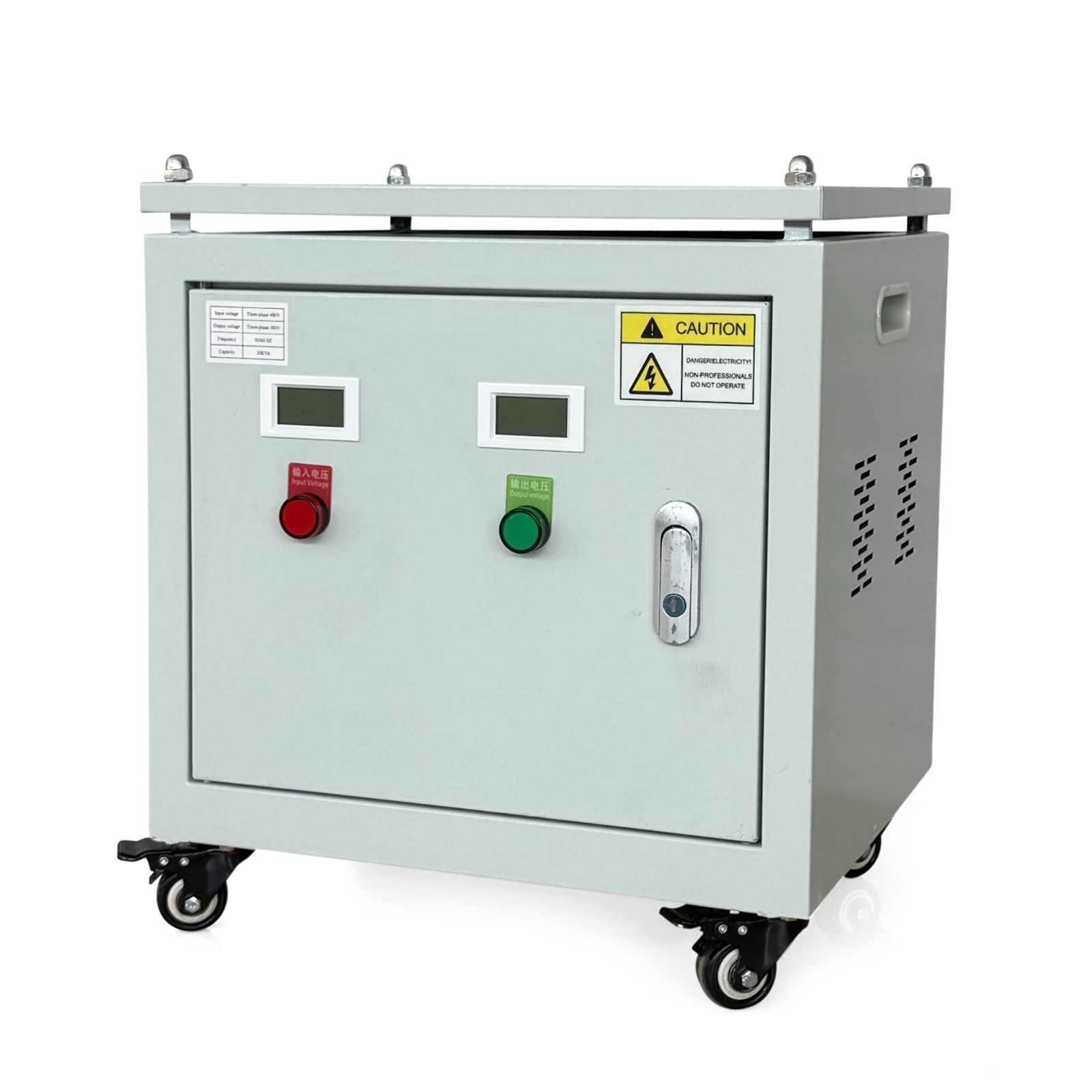
This transformer is built for fixed industrial environments where an incoming AC feed needs to be stepped down for downstream equipment. The 30kVA rating is the headline, but the stated load limits matter just as much: keep resistive loads at or under 24kVA and inductive loads at or under 18kVA. With built-in ventilation, it's designed to keep dissipating heat during continuous operation. The listed price is $950, and the gross weight is about 100 kg, so this isn't a unit you move around casually. Choose it when you need dependable voltage conversion at a scale that far exceeds what a portable inverter can deliver.
Final Choice by Use Case
Match the converter to your input source and load size. For a DC source powering devices in a truck, camp, or solar setup, the inverter is the right call. For a 480V three-phase feed that must supply 208V equipment, the step-down transformer is the piece you need. If you're not sure which side you're on, check the input voltage on your equipment-that will point you in the right direction.