If you're comparing power meters energy management options, the biggest difference isn't the price tag-it's the job each meter was built to do. The Smart Home Energy Monitor with 2 x 120A CTs is a connected device designed to track live electricity usage in a home. The Schneider Electric PM8240 Power Quality Meter is an industrial instrument from the PowerLogic PM8000 series, priced at $412.50, aimed at serious power quality monitoring. The home monitor costs $61.34, and that $351.16 gap points to very different use cases.
Quick Verdict
If you want a straight answer: the Smart Home Energy Monitor is the sensible pick for most homeowners. It's affordable, and built around live usage tracking and easy CT installation. The Schneider PM8240 is only worth the extra money if you need a power quality meter for a facility-scale setup and are comfortable with that.
At a Glance
| Product | Price | Condition | Best For |
|---|---|---|---|
| Smart Home Energy Monitor | USD 61.34 | New | Tracking live home electricity use with simple CT installation |
| Schneider Electric PM8240 PowerLogic METSEPM8240 | USD 412.50 | Used | Power quality measurement in industrial contexts |
Where Each Product Wins
The Smart Home Energy Monitor wins for anyone who wants a connected, low-friction view of their electricity consumption. The included split-core CTs make setup less complex than traditional wiring. It supports bi-directional monitoring, so solar and battery storage setups can see power flowing in both directions, and it works with the Smart Life app for real-time insight.
The Schneider Electric PM8240 wins for buyers who need a real power meter rather than a home-use monitor. Its product type is specifically a power meter / power monitoring module, and that points to the intended job: measuring power quality rather than just reporting usage.
Product Notes
Smart Home Energy Monitor with 2 x 120A CTs
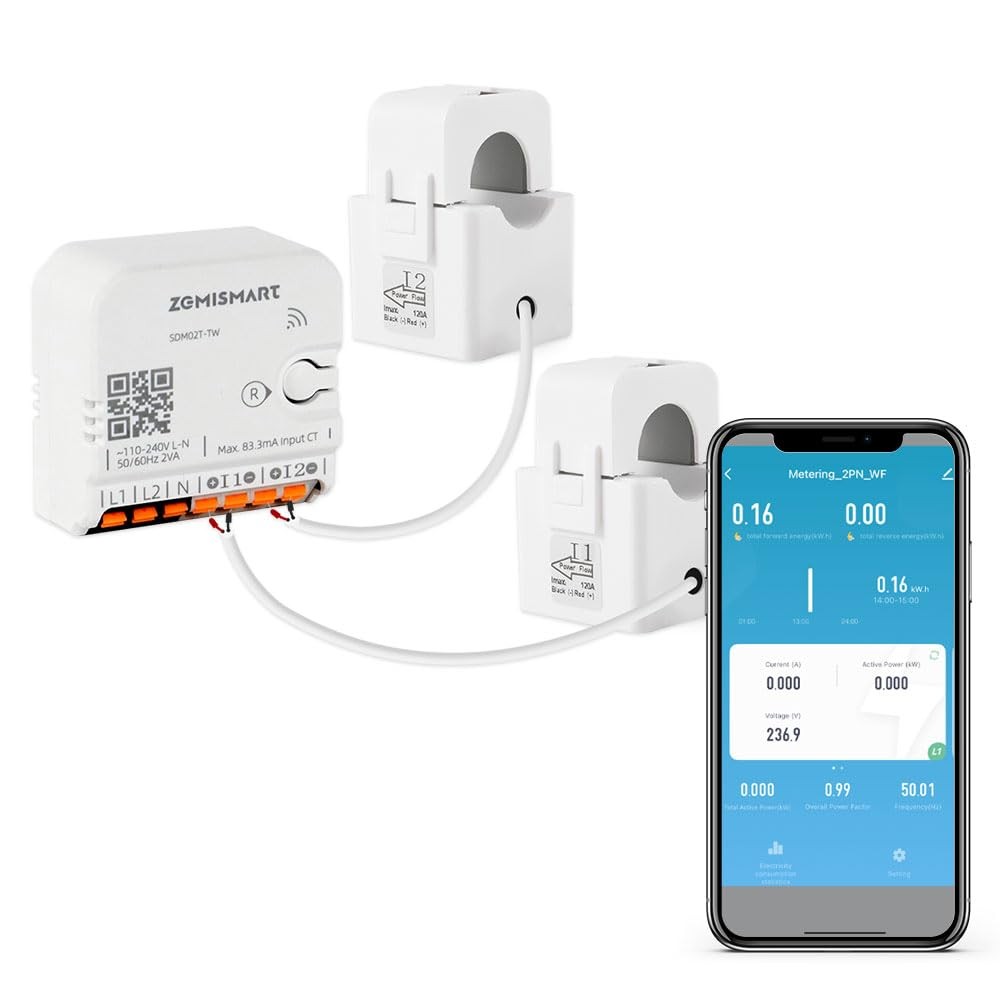
This new monitor is the easier path for a typical home. The split-core CTs avoid complex wiring, and the Smart Life app gives you live usage data plus configurable reporting intervals. Because it tracks power in both directions, it's a strong fit for solar panels and battery storage. The limitation is its scope: it's a home energy monitor, not a power-quality analyzer. It can tell you how much electricity you're using and when, but it won't give you the advanced power-quality detail that a professional facility meter would. If your main concern is understanding household consumption or solar output, this monitor does the job without overcomplicating your electrical setup. That makes it a practical residential tool, and that's exactly its strength.
Schneider Electric PM8240 Power Quality Meter PowerLogic METSEPM8240
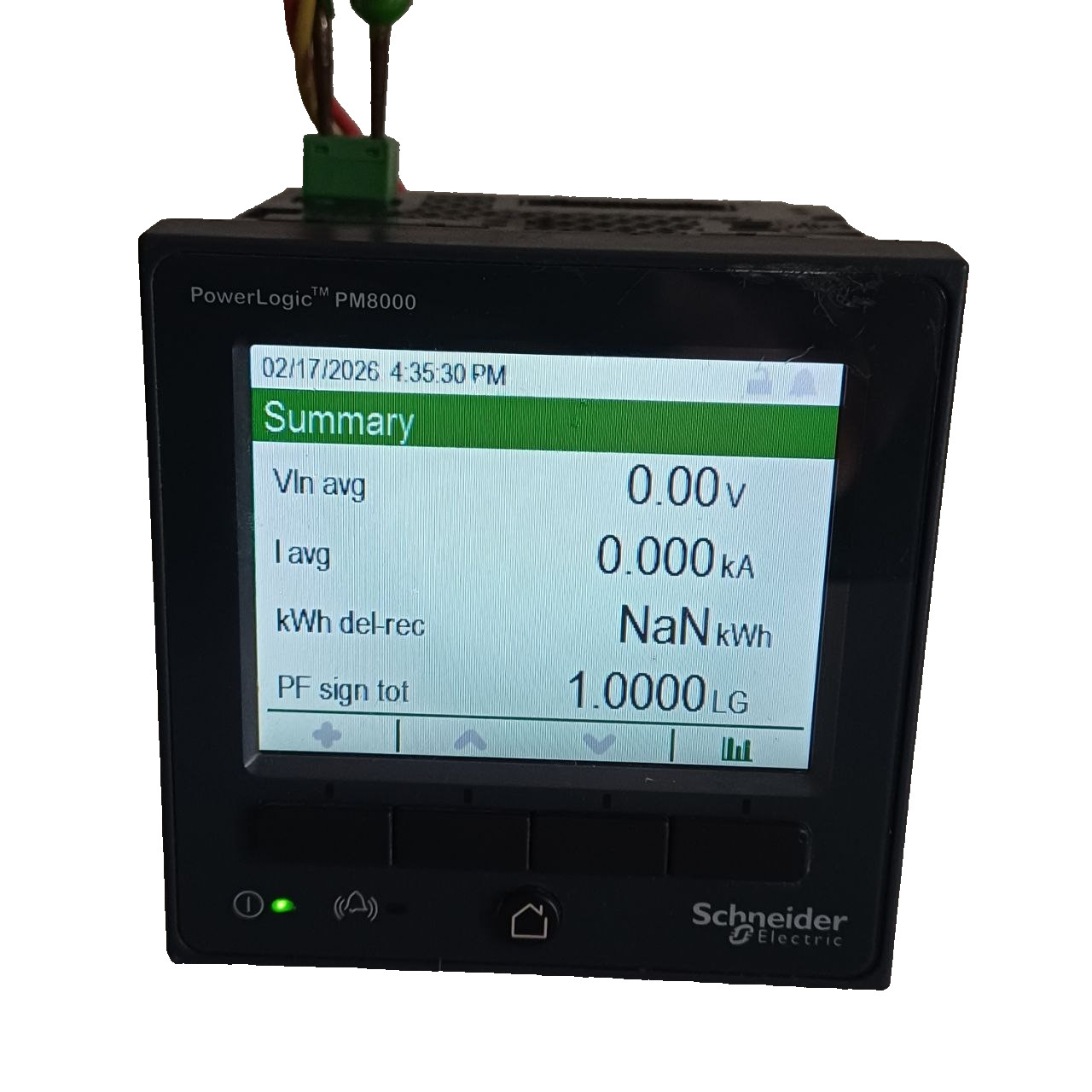
This is a purpose-built power meter from Schneider Electric's PowerLogic PM8000 line, and it's sold used. Its model, METSEPM8240, points to a device intended for serious monitoring work, and the used condition means you're buying a pre-owned unit rather than something fresh out of the box. The reason to choose this meter is that it's designed for power quality measurement-something the home monitor isn't meant to do. The limitation is the used status and the costlier investment. You're paying much more, and the product is not new. If your work involves power quality issues in commercial or industrial equipment, the PM8240 gives you the kind of focused monitoring you can't replicate with a residential CT monitor. That trade-off makes sense only if your project truly requires a PowerLogic-class power meter.
Final Choice by Use Case
For a home or small setup where you want a clear picture of your electricity usage, the Smart Home Energy Monitor is the one to pick. It pairs CTs with a straightforward connected experience.
If your priority is power quality monitoring in a facility-measuring what a professional power meter is built to measure-the Schneider Electric PM8240 is the more serious tool. Choose it when you need that depth of monitoring. For everyday residential energy visibility, the home monitor is the sensible pick.