When you need a power meter for energy management, the real decision isn't about which display has more readouts. It's about the system you're attaching the meter to. A large electrical network and a home breaker panel ask for different kinds of monitoring. The General Electric PQM II Power Quality Meter and the Smart Home Energy Monitor with 2 x 120A CTs are both sold as power meters, but they solve different problems: one is a specialized meter for demanding electrical environments, the other a straightforward home monitoring tool. This head-to-head sorts out which one fits your setup. It's not about which one is better overall; it's about which is better for your situation.
Quick verdict: If you need to evaluate the health of a large electrical system, the GE PQM II is the focused choice. If you want a straightforward residential monitor at a lower listed price, the Smart Home Energy Monitor is the practical pick. Their listed prices sit about $445 apart, which tells you how different their intended jobs are.
| Product | Listed Price | Condition | What It's Built For |
|---|---|---|---|
| General Electric PQM II Power Quality Meter - TESTED | USD 506.00 | Used | Three-phase power quality measurement for industrial/commercial settings |
| Smart Home Energy Monitor with 2 x 120A CTs | USD 61.34 | New | Home live electricity tracking with solar/battery support |
Where each product wins
Choose the General Electric PQM II when your job centers on meter accuracy and analysis depth for demanding electrical work. It is the more specialized instrument of the two.
Choose the Smart Home Energy Monitor when your focus is a residential panel and you want a unit that gives you a window into household consumption. It is the lower-price option and the one that fits everyday home monitoring rather than utility work.
General Electric PQM II Power Quality Meter
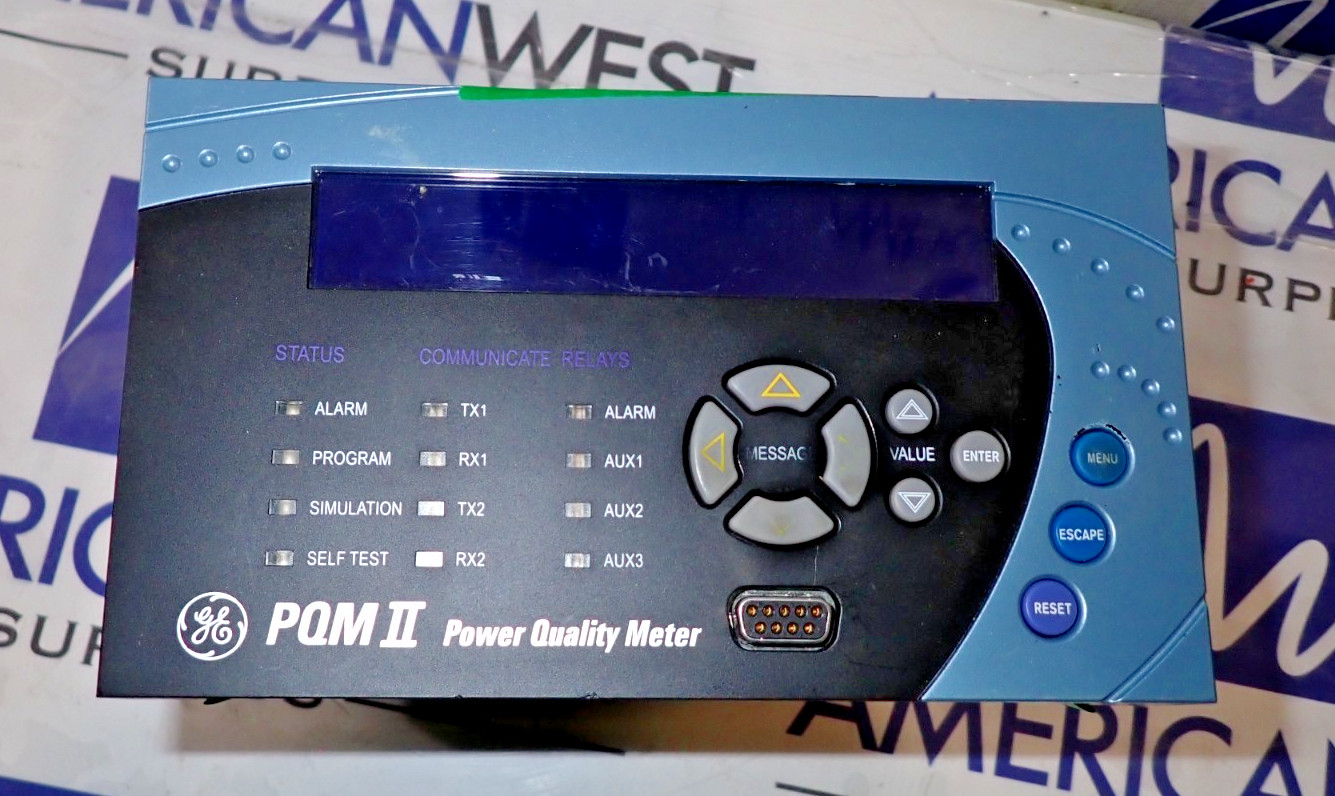
If you're managing an industrial or commercial electrical system, this meter's whole design centers on three-phase power-quality analysis. It was powered on and inspected before being offered, so you know it has been checked. The trade-off is a used condition: some buttons on this example do not make a clicking sound, so you're accepting a unit that has had prior handling. At its $506.00 listed price, it is the higher-cost choice of the two, and it is best for someone whose job is measuring the quality of three-phase power, not tracking home usage.
Smart Home Energy Monitor with 2 x 120A CTs
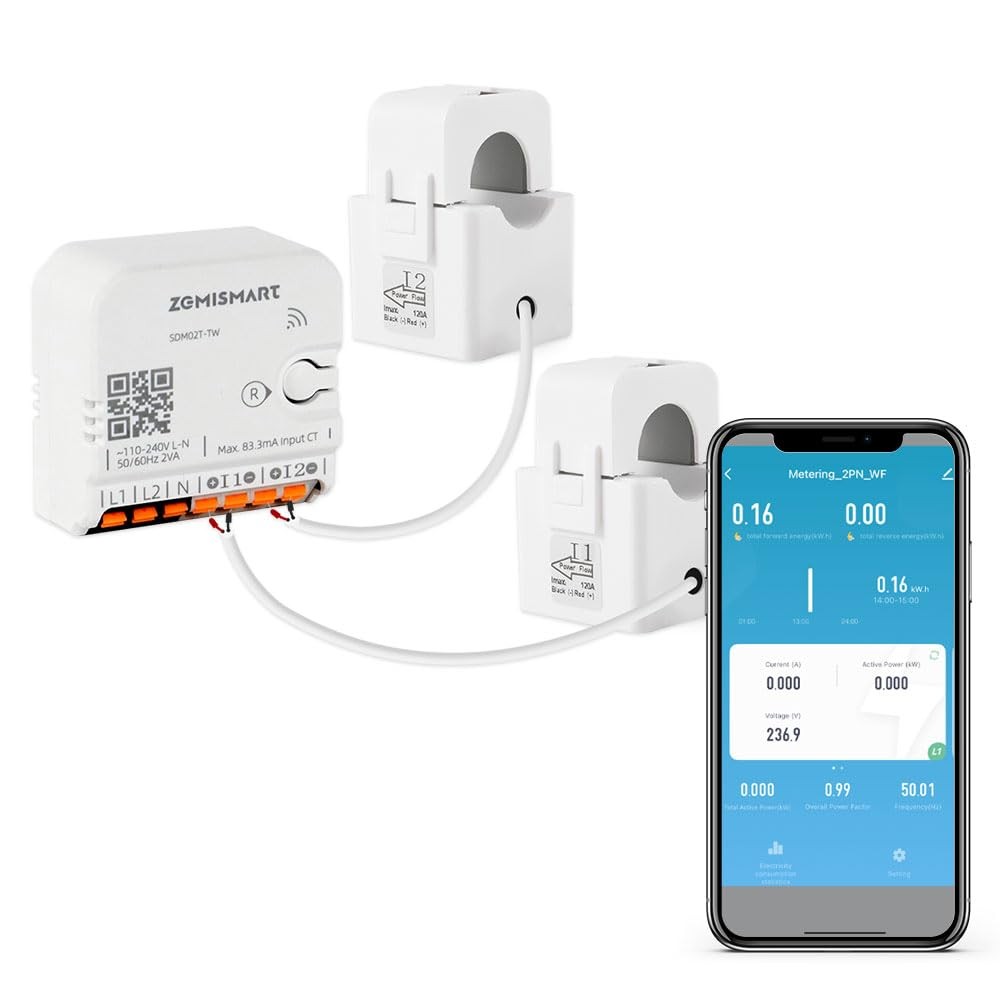
The Smart Home Energy Monitor is a new unit designed to sit in a home electrical panel and report live usage in real time. It comes with two 120A current transformers, and its split-core CTs are meant to make installation simpler. The Smart Life app lets you check real-time data on your phone, while bidirectional monitoring helps if you have solar panels or battery storage. The limitation is scope: this is a residential system, not a full-scale power-quality tool. Its $61.34 listed price is the lower of the two, and for a home buyer who wants to see consumption and generation, it fills that role without the cost of a more specialized meter.
Final choice by use case
If you're managing a facility's electrical system, the General Electric PQM II is the one to take seriously. Its specialized analysis depth is aimed at that job. If you're equipping a home, the Smart Home Energy Monitor with 2 x 120A CTs is the more practical match, and its lower listed price keeps the decision simple.