Shopping for power meters for energy management usually begins with one system question: are you working with a full three-phase electrical setup or a single household circuit? The two products point in different directions. The General Electric PQM II Power Quality Meter is listed at USD 506.00 and is aimed at 3-phase power-quality monitoring. The SONOFF LCD Smart Power Meter Switch is listed at USD 17.99 and targets real-time monitoring on a 20A circuit.
The quick verdict: choose the GE PQM II when you need power-quality readings in an industrial or commercial setting. Choose the SONOFF when you want an inexpensive way to watch energy use on one home circuit.
| Product | Listed Price | Price Bar | Key Difference |
|---|---|---|---|
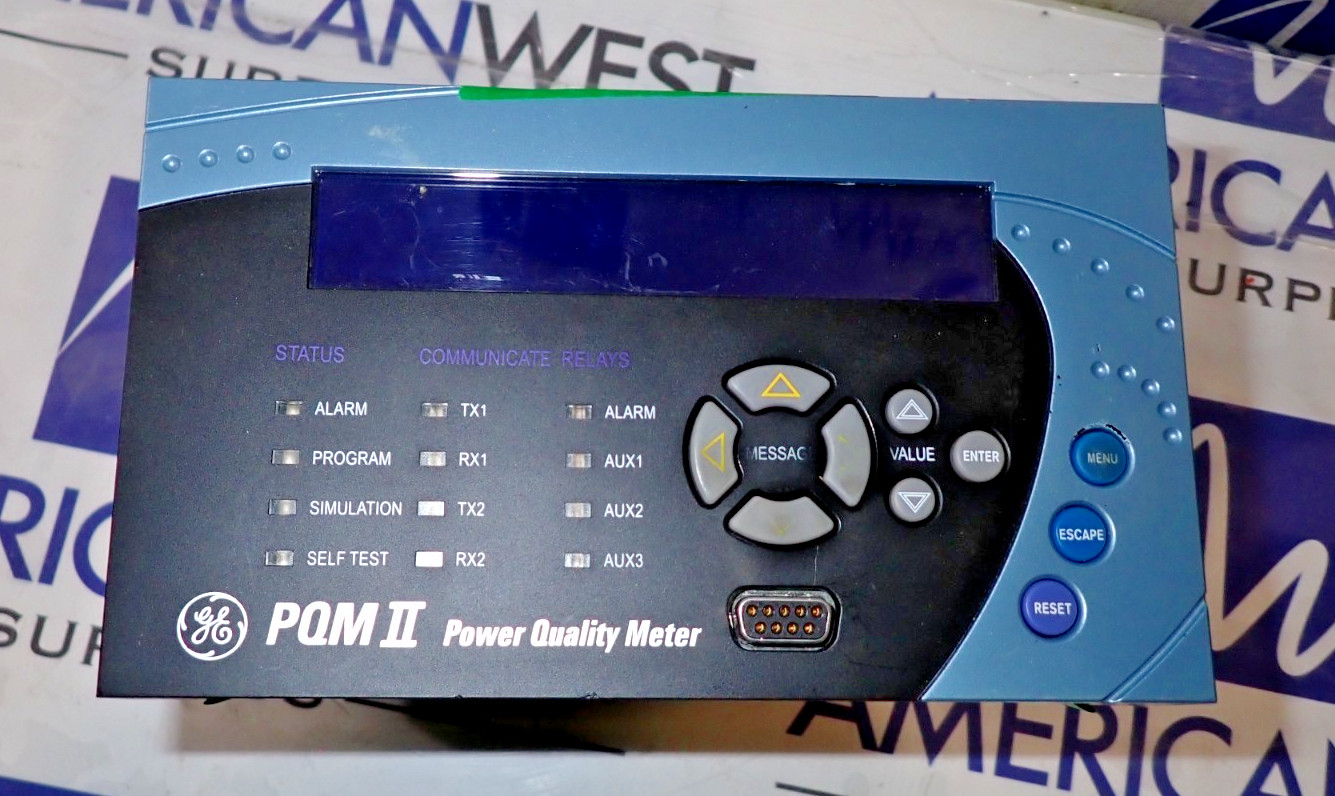
| General Electric PQM II Power Quality Meter for 3 Phase System - TESTED | USD 506.00 | 3-phase power-quality measurement; tested used unit | |
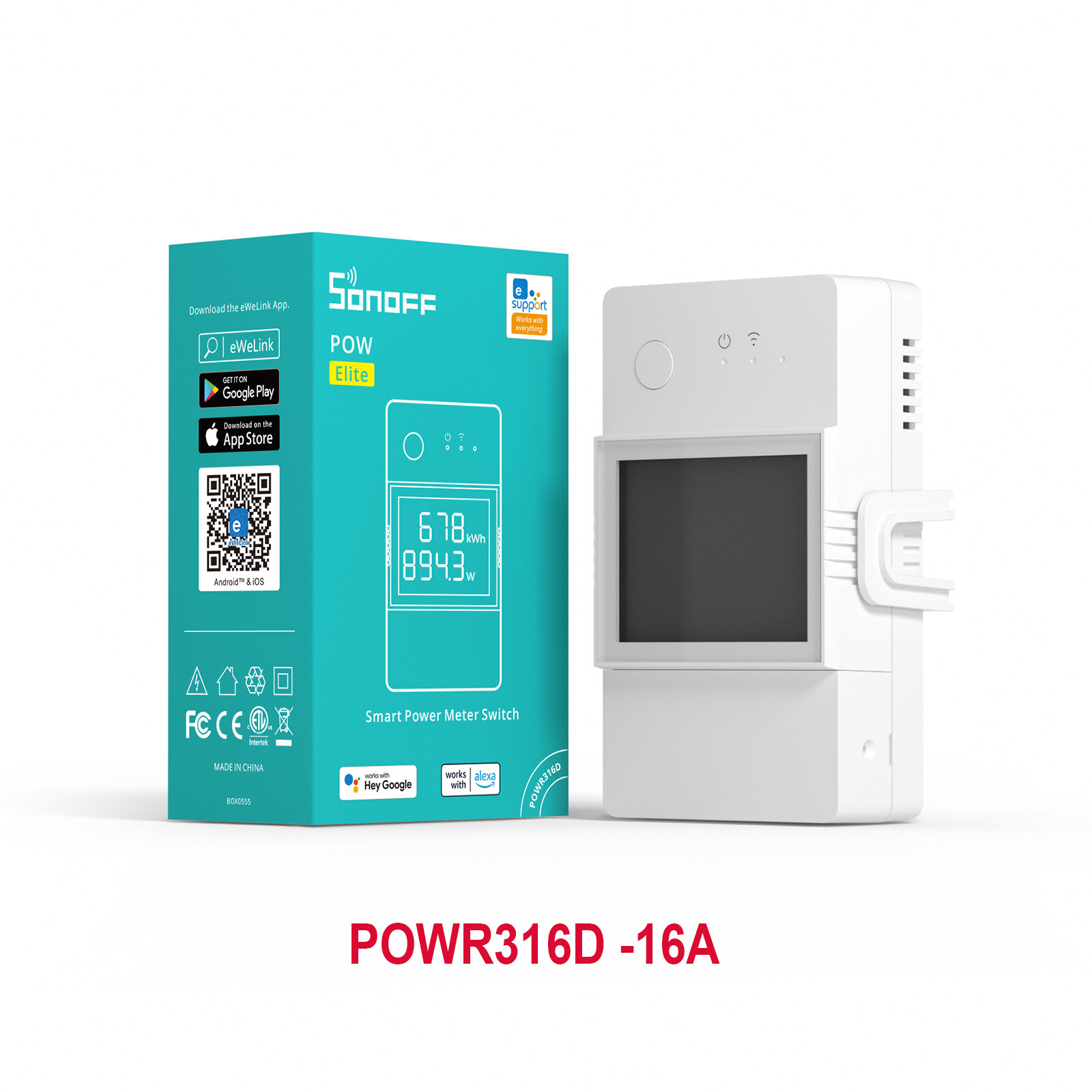
| SONOFF LCD Smart Power Meter Switch 20A Max Power Monitoring Overload Protection | USD 17.99 | Real-time LCD power monitoring with overload protection on a 20A circuit |
Where the GE PQM II wins
The GE PQM II is the clear choice for system-level power-quality work. It is designed around a 3-phase electrical system, so it addresses the type of work found in industrial and commercial settings rather than single-appliance monitoring. The unit is sold as used, but the title says TESTED, which signals that it powers on and was checked before sale. That history makes it a different kind of purchase from a brand-new consumer switch.
The catch is equally practical: some buttons do not make a clicking sound. That means the control feel may not be as consistent as on a new unit, even if the meter powered on during inspection. For a facility electrician focused on phase-level readings, the trade-off can be acceptable; for someone expecting a flawless fresh-out-of-box device, it may not be.
Where the SONOFF wins
The SONOFF LCD Smart Power Meter Switch is for a different job. It monitors a single circuit and shows the information directly on its LCD screen: power, voltage, current, and cumulative energy consumption. That on-device display removes the need to open an app just to see what a heater or light system is drawing. With Wi-Fi connectivity, it can also pass the data along to your network. Its dimension of 98x54x31mm keeps the hardware compact. The limitation is the maximum current rating. It is not a 3-phase power-quality meter, so it cannot replace the GE for energy-management projects that need phase-level detail.
General Electric PQM II Power Quality Meter
This is the meter to pick when the system in front of you is a 3-phase installation and the goal is power-quality monitoring rather than simple energy totals. The product name itself says Power Quality Meter for 3 Phase System, and that matches the kind of work it addresses: monitoring the health of a 3-phase electrical system. As a used unit marked TESTED and inspected, it carries some practical uncertainty: some buttons do not make a clicking sound. The upside is access to a tool built for 3-phase power-quality monitoring. Use it for facility checks or any job where phase-level data matters more than a tidy control feel.
SONOFF LCD Smart Power Meter Switch
The SONOFF is the practical pick for home energy management on a single circuit. Its LCD gives immediate feedback on power, voltage, current, and cumulative energy consumption, and overload protection is part of the feature set. The compact 98x54x31mm case and PC V0 casing material make it a less intimidating piece of hardware for a residential circuit, and the color is white. It also offers six months of hourly usage history, a useful touch for seeing how much power appliances draw over time. You trade away 3-phase capability, so the real question is whether your project stays inside the single-circuit limit.
Final Choice by Use Case
For a 3-phase power-quality task, the GE PQM II is the one to work with. For a personal energy-monitoring project on a single home circuit, the SONOFF LCD Smart Power Meter Switch is the better fit. Match the meter to the circuit, not the other way around.